
Project name: Development of Bio-based and biodegradable polyethylene and polyesters for
food packaging and agricultural applications
Project acronym: Bio2PEs
Call: HORIZON-EIC-2024-PATHFINDERCHALLENGES-01
Topic: HORIZON-EIC-2024-PATHFINDERCHALLENGES-01-03
Type of action: HORIZON-EIC
Service: EISMEA/E/01
Project starting date: fixed date: 1 October 2025
Project duration: 48 months
Bio2PEs aims to revolutionize the plastic sectors by developing bio-based and biodegradable polyethylene (PE) and
polyester, directly derived from biomass waste, to combat plastic pollution and advance sustainability. The project will
develop four eco-friendly, functional prototypes for food packaging, textile packaging, agricultural mulch, and crop
protection membranes, addressing key sectors in need of sustainable alternatives.
A crucial part of Bio2PEs is its to conduct a comprehensive environmental, economic, and social impact assessment,
covering the entire lifecycle of the materials. The biodegradability in open environments, with ecotoxicity tests will be
carried out across four EU climate zones (including soil, freshwater, and marine environments), ensuring the materials
meet real-world environmental requirements.
To support circularity, Bio2PEs will develop a cellulose-based self-repairing coating to fix scratches, enhance the
durability and reusability and significantly improve product lifespan. Bio2PEs will also enhance the recyclability of
materials by quantifying the exact content of the recycled material through a fluorescence marker technology. The project
will also leverage collaboration with other EU-funded projects, building on social studies of consumer behaviour to
design interactive labelling that encourages the adoption of biodegradable materials.
Material development data will be shared with an AI tool, developed by a sister project, to expand the data pool and
refine material development and biodegradability predictions. This project will support the European Circular Economy
Action Plan by fostering scalable, sustainable solutions that reduce waste and plastic pollution while promoting resource
efficiency.
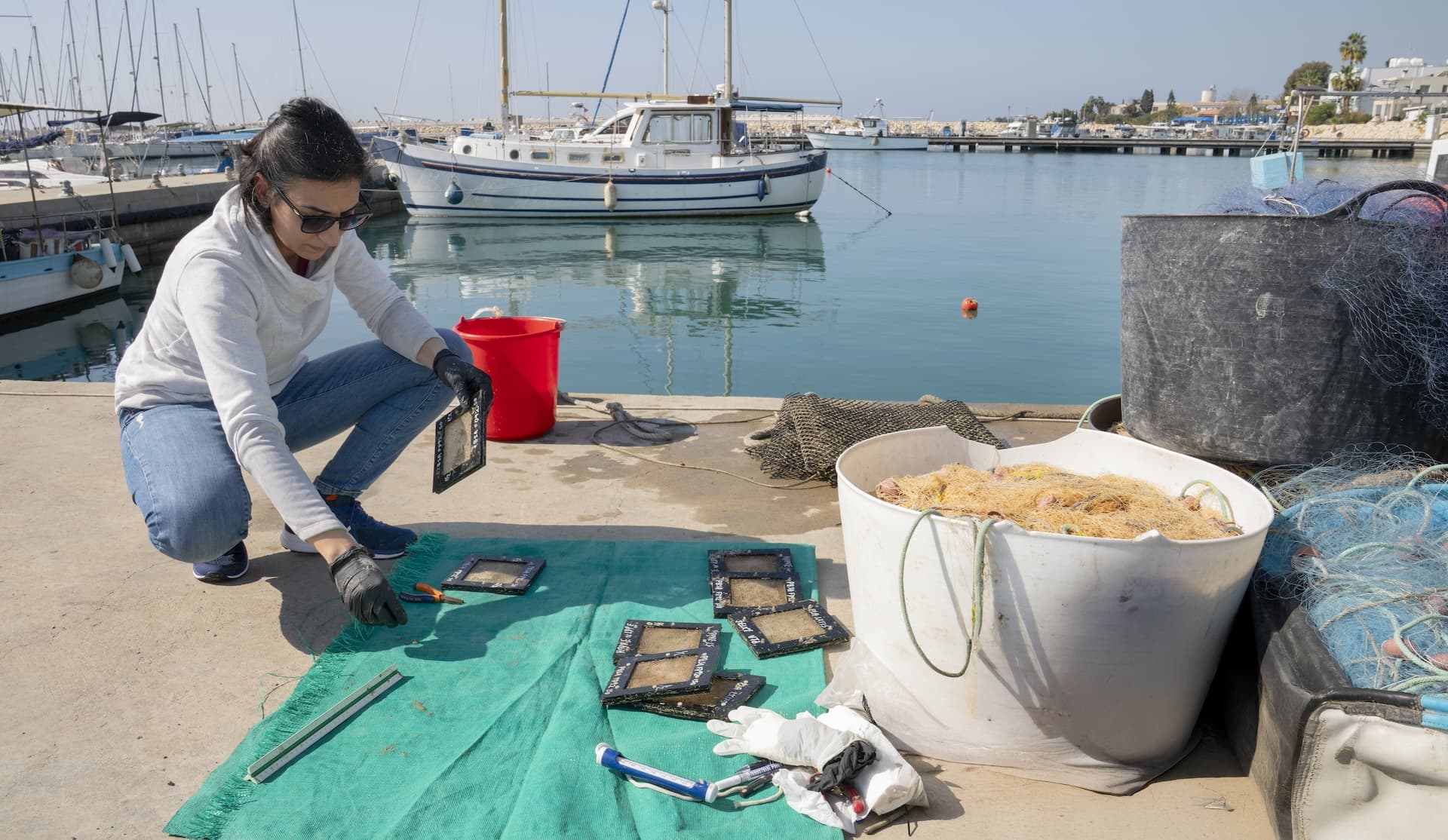
ISOTECH will coordinate the local partnerships to conduct the biodegradability study in the four climate zones for a period
of 6 to 12 months, including monitoring local environments (temperature, moisture and pH), collecting and shipping samples to TUS for polymer characterisation (mechanical properties, GPC, etc.), and soil/water sample will be sent to IMGGE for microbial testing.
1 – Develop bio-based and biodegradable polyethylene (PE) and polyester from biomass waste.
2 – Create eco-friendly prototypes for food packaging, textile packaging, agricultural mulch, and crop protection membranes.
3 – Assess environmental, economic, and social impacts across the full lifecycle.
4 – Test biodegradability and ecotoxicity in soil, freshwater, and marine environments across four EU climate zones.
5 – Enhance circularity with self-repairing coatings to extend durability and reuse.
6 – Improve recyclability using fluorescence marker technology.
7 – Promote consumer adoption through interactive labelling.
8 – Share material data with AI tools to optimize performance and biodegradability.
9 – Support the European Circular Economy Action Plan by reducing plastic waste and increasing resource efficiency.
Coordinator 1. Technological University Of The Shannon: Midlands Midwest // Ireland
Participants: Isotech Ltd // Cyprus, Teagasc – Agriculture And Food Development Authority // Ireland, Institut Za Molekularnu Genetiku I Geneticko Inzenjerstvo // Serbia, Digiotouch // France, University Of Bristol // United Kingdom, Nonwovens Innovation & Research Institute Limited // United Kingdom, Ethnicon Metsovion Polytechnion // Greece, Kemijski Institut // Slovenia
Project name: Development of Bio-based and biodegradable polyethylene and polyesters for
food packaging and agricultural applications
Project acronym: Bio2PEs
Call: HORIZON-EIC-2024-PATHFINDERCHALLENGES-01
Topic: HORIZON-EIC-2024-PATHFINDERCHALLENGES-01-03
Type of action: HORIZON-EIC
Service: EISMEA/E/01
Project starting date: fixed date: 1 October 2025
Project duration: 48 months
Bio2PEs aims to revolutionize the plastic sectors by developing bio-based and biodegradable polyethylene (PE) and
polyester, directly derived from biomass waste, to combat plastic pollution and advance sustainability. The project will
develop four eco-friendly, functional prototypes for food packaging, textile packaging, agricultural mulch, and crop
protection membranes, addressing key sectors in need of sustainable alternatives.
A crucial part of Bio2PEs is its to conduct a comprehensive environmental, economic, and social impact assessment,
covering the entire lifecycle of the materials. The biodegradability in open environments, with ecotoxicity tests will be
carried out across four EU climate zones (including soil, freshwater, and marine environments), ensuring the materials
meet real-world environmental requirements.
To support circularity, Bio2PEs will develop a cellulose-based self-repairing coating to fix scratches, enhance the
durability and reusability and significantly improve product lifespan. Bio2PEs will also enhance the recyclability of
materials by quantifying the exact content of the recycled material through a fluorescence marker technology. The project
will also leverage collaboration with other EU-funded projects, building on social studies of consumer behaviour to
design interactive labelling that encourages the adoption of biodegradable materials.
Material development data will be shared with an AI tool, developed by a sister project, to expand the data pool and
refine material development and biodegradability predictions. This project will support the European Circular Economy
Action Plan by fostering scalable, sustainable solutions that reduce waste and plastic pollution while promoting resource
efficiency.
ISOTECH will coordinate the local partnerships to conduct the biodegradability study in the four climate zones for a period
of 6 to 12 months, including monitoring local environments (temperature, moisture and pH), collecting and shipping samples to TUS for polymer characterisation (mechanical properties, GPC, etc.), and soil/water sample will be sent to IMGGE for microbial testing.
1 – Develop bio-based and biodegradable polyethylene (PE) and polyester from biomass waste.
2 – Create eco-friendly prototypes for food packaging, textile packaging, agricultural mulch, and crop protection membranes.
3 – Assess environmental, economic, and social impacts across the full lifecycle.
4 – Test biodegradability and ecotoxicity in soil, freshwater, and marine environments across four EU climate zones.
5 – Enhance circularity with self-repairing coatings to extend durability and reuse.
6 – Improve recyclability using fluorescence marker technology.
7 – Promote consumer adoption through interactive labelling.
8 – Share material data with AI tools to optimize performance and biodegradability.
9 – Support the European Circular Economy Action Plan by reducing plastic waste and increasing resource efficiency.
Coordinator 1. Technological University Of The Shannon: Midlands Midwest // Ireland
Participants: Isotech Ltd // Cyprus, Teagasc – Agriculture And Food Development Authority // Ireland, Institut Za Molekularnu Genetiku I Geneticko Inzenjerstvo // Serbia, Digiotouch // France, University Of Bristol // United Kingdom, Nonwovens Innovation & Research Institute Limited // United Kingdom, Ethnicon Metsovion Polytechnion // Greece, Kemijski Institut // Slovenia